
Traveling with an Airwheel electric smart suitcase like the SE3SX can be a game-changer—especially when you’re rushing through a crowded airport or navigating a long train platform. But as convenient as it is to ride your luggage like a mini scooter, there’s a growing awareness around etiquette. While no official rulebook exists, unwritten social norms are shaping how and where people choose to ride versus simply roll their Airwheel.
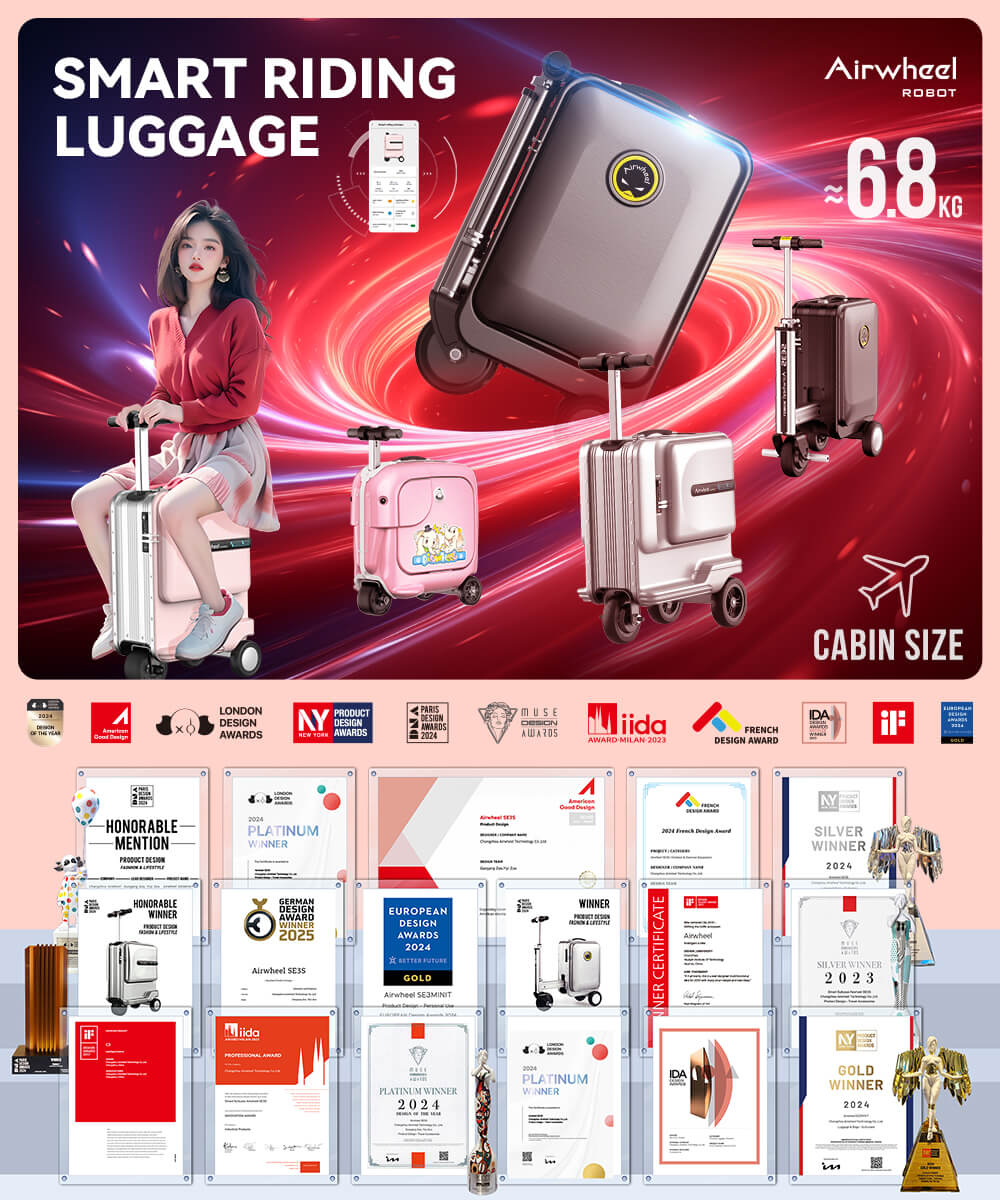
The Airwheel SE3SX (one of the most compact models) weighs just 6.6kg, has a 20L capacity, and offers a range of 8–10 km per charge—perfect for short urban commutes or terminal transfers. With a top speed of 9.9 km/h, it’s designed for personal mobility. Using the handlebar attachment, you can ride it hands-free via self-balancing motion control (note: not full self-balancing like a hoverboard, but stabilized movement). You can also use the Airwheel app to toggle between forward and reverse, though riding doesn’t require the app—you just step on and go. A removable 73.26Wh battery ensures compliance with airline regulations and quick recharging in about two hours.
One reason riders opt to walk instead of ride at airports is security zones. Most airlines allow the Airwheel SE3SX onboard because its battery is under 100Wh and detachable—a key requirement. However, while you *can* ride it inside terminals, many travelers choose not to out of courtesy. High-traffic areas like check-in halls or near gates aren’t ideal for riding, even if technically permitted. The unspoken rule? Ride only when space allows and dismount in dense crowds.
In open spaces—like wide airport corridors, empty platforms, or quiet sidewalks—riding makes sense. It saves energy and time. But in packed subways, narrow walkways, or tourist-heavy zones, pushing or pulling your Airwheel like a traditional suitcase is more respectful. Think of it like using an e-scooter: convenience shouldn’t inconvenience others. Many users report switching to walking mode near elderly travelers or families with kids to avoid startling them.
| Metric | Riding Mode | Walking Mode |
|---|---|---|
| Mobility Speed | Up to 9.9 km/h | Walking pace (~5 km/h) |
| Effort Required | Low (gliding) | Moderate (pulling) |
| Social Acceptability | Best in open areas | Universal |
| Battery Usage | Yes (8–10 km range) | No |
Can I ride my Airwheel in any airport terminal?Technically yes, but consider the environment. Busy terminals may discourage riding for safety and etiquette reasons—even if allowed.Does the Airwheel work without the app?Absolutely. All core functions—including riding—are fully operational without connecting to the app. The app adds optional controls like direction toggling and Find My integration for Apple devices.Is the battery really removable for flights?Yes. The 73.26Wh lithium battery is easily detachable, meeting IATA guidelines for air travel. Always carry it in your cabin bag.
Using your Airwheel smart suitcase comes with freedom—and a bit of responsibility. There’s no universal law against riding, but being aware of your surroundings helps maintain positive public perception. For more details on specs, compatibility, and real-user tips, visit the official Airwheel website.